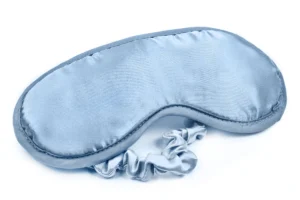
Quality sleep is essential for good health. Yet, many people struggle to rest well due to light exposure, distractions, and environmental factors. A simple but effective solution is using a sleeping mask. The right sleeping mask can block unwanted light, promote deeper sleep, and enhance overall well-being. Understanding the benefits and features of a high-quality sleeping mask can help improve sleep quality and support a healthy lifestyle.
Benefits of a Sleeping Mask
Blocks Out Light Effectively to Improve Eye Rest
Sleeping masks eliminate exposure to ambient light, which can disrupt sleep. Whether at home, in a hotel, or on an airplane, a sleeping mask ensures darkness, promoting better rest. This is especially helpful for shift workers, frequent travelers, or anyone sensitive to light.
Eye Mask Encourages Deeper Sleep
Exposure to light during sleep can lead to frequent awakenings or shallow rest. A quality sleeping mask prevents these interruptions, allowing the body to reach deep sleep stages. Deep sleep is crucial for physical recovery, memory consolidation, and overall health.
Eye Mask Helps with Insomnia and Sleep Disorders
Individuals struggling with insomnia or other sleep disturbances can benefit from using a sleeping mask. By blocking light and creating a calming effect, a mask can signal the brain that it’s time to sleep, making it easier to relax and drift off naturally.
Travel Eye Mask Enhances Sleep for Travelers
Traveling often means sleeping in unfamiliar environments with different lighting conditions. A sleeping mask provides consistency, ensuring a restful experience regardless of location. This is particularly beneficial for those adjusting to time zone changes or sleeping in bright hotel rooms.
Eye Mask Supports Eye Health
Some sleeping masks are designed with soft, breathable materials that protect the eyes while reducing pressure. They can help alleviate dry eyes and prevent irritation caused by air conditioning, fans, or dry environments.

Choosing the Sleeping Mask
Selecting a high-quality sleeping mask involves considering materials, fit, design, and additional features. The right choice depends on personal preference and specific sleep needs.
Material Matters of Sleep Eye Mask
The fabric of a sleeping mask determines its comfort and effectiveness. The best materials include:
Silk Eye Mask
Gentle on the skin, breathable, and hypoallergenic, silk masks offer a luxurious feel while preventing irritation.
Cotton Eye Mask
Soft, lightweight, and absorbent, cotton masks are ideal for sensitive skin and warm climates.
Memory Foam Eye Mask
Contoured and cushioned, memory foam masks provide a snug fit while blocking light effectively.
Bamboo Eye Mask
Naturally antibacterial and moisture-wicking, bamboo masks are an eco-friendly choice for comfort and breathability.
Sleeping Mask for Fit and Comfort
A sleeping mask should fit securely without causing discomfort. Adjustable straps ensure a customized fit, preventing the mask from shifting during sleep. A contoured design allows free eye movement while blocking light effectively. Masks that apply gentle pressure on the face can help some people feel more relaxed, while those preferring a lighter feel may opt for thin, featherweight designs like a silk sleep mask.
Sleep Mask for Breathability and Temperature Control
A breathable mask prevents overheating and ensures comfort throughout the night. Lightweight materials like silk and bamboo wick moisture away, keeping the skin cool and dry. This is particularly beneficial for hot sleepers or those living in warm climates.
Durability and Maintenance of Sleep Eye Mask
A good sleeping mask should maintain its shape and effectiveness over time. Washable masks with durable stitching and high-quality fabrics last longer. Checking product reviews and brand reputations can help identify long-lasting options.
Additional Features of Sleeping Eye Mask
Some sleeping masks come with added features for enhanced sleep quality:
Soundproofing
Masks with built-in noise reduction elements provide extra relaxation.
Cooling Gel
Gel-infused masks help soothe tired eyes and reduce puffiness.
Weighted Design
Some masks include light pressure to promote relaxation, similar to a weighted blanket.
Aromatherapy Infusion
Certain masks contain lavender or chamomile scents to encourage relaxation.
Who Should Use a Sleeping Mask?
Light Sleepers
Individuals who wake up easily due to slight disturbances benefit from the total darkness provided by a mask.
Shift Workers
Those working night shifts and sleeping during the day need a mask to block daylight and create an optimal sleep environment.
Frequent Travelers
Whether on long flights, in hotel rooms, or adjusting to new time zones, a sleeping mask offers a consistent and comfortable sleep aid.
People with Insomnia
Those struggling with sleep disorders can use a mask to reduce stimuli and create a calming effect that signals the brain it’s time to rest.
Migraine and Headache Sufferers
Bright light can trigger migraines and headaches. A sleeping mask helps reduce exposure to light, providing relief for those sensitive to brightness.

Tips for Maximizing the Benefits of a Sleeping Mask
Establish a Nighttime Sleep Routine
Using a sleeping mask as part of a bedtime routine helps train the body to recognize sleep cues. Pairing the mask with relaxation techniques, such as deep breathing or reading, enhances effectiveness.
Create a Comfortable Sleep Environment
While a sleeping mask blocks light, maintaining a cool and quiet sleep setting further improves rest. Using blackout curtains, white noise machines, or essential oils can complement the mask’s benefits.
Keep the Eye Mask Clean
Regularly washing a sleeping mask prevents bacteria buildup and ensures hygiene. Following care instructions for specific materials like mulberry silk helps maintain durability.
Try Different Styles of Sleeping Eye Masks
If one mask doesn’t feel right, experimenting with different designs, such as a silk sleep mask, can help find the perfect fit. Some people prefer contoured masks, while others like flat, silk options.
Pair the Eye Mask with Other Sleep Aids
For those needing extra sleep support, combining a silk sleep mask with earplugs, calming teas, or relaxation apps can enhance nightly eye rest results.
Conclusion
A high-quality sleeping mask is a simple yet powerful tool for improving sleep quality. By blocking light, supporting deep sleep, and promoting relaxation, it can make a significant difference in overall rest and well-being. Selecting the right mask based on comfort, material, and fit, such as eyecup designs, ensures maximum effectiveness. Whether used at home, while traveling, or as part of a sleep improvement plan, a sleeping mask offers a reliable solution for uninterrupted rest. Investing in a well-designed sleeping mask can lead to better sleep and improved health over time.